
 Jack Paul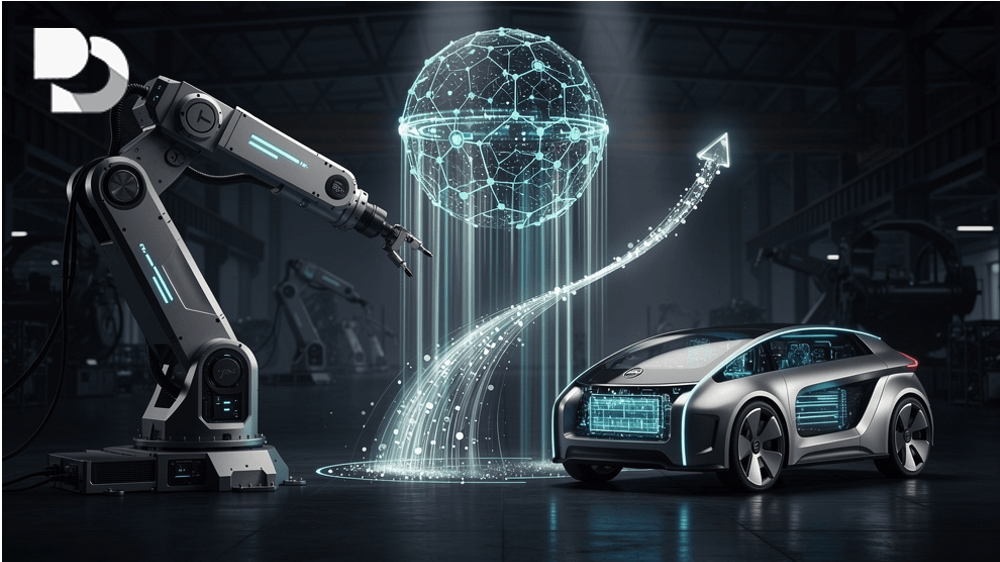
A new integration between peaq and Allora gives machines running peaqOS access to predictive AI forecasts. The idea is straightforward: robots and other connected devices can use predictions about the future when they make decisions. They can also become inference workers and earn from providing predictions to the network.
Decentralized AI forecasting
Allora is a decentralized AI network. It hosts multiple models that compete to answer questions about future outcomes. Their forecasts are checked against real results, and the system identifies which models are more accurate over time. The project says it currently includes more than 288,000 worker models and 55 live topics.
Machine economies on peaq
peaq is a blockchain platform built for machine economies. Through peaqOS, devices can reach Allora via robotic.sh. A machine’s activity is tied to a single machine identity. That identity is used whether the machine consumes forecasts or registers as an inference worker.
Robots can consume or provide intelligence
The integration is demonstrated with a Unitree G1 humanoid robot. After a warehouse shift, the robot can use an Allora forecast to decide when to convert its earnings. When the robot is not working, its computing resources can instead generate predictions for the network.
This setup creates a model where machines both use and supply intelligence. A robot gets forecasts when it needs answers. When idle, its chips can go to work producing predictions. The companies describe this as a way to make better use of machines that already exist.
Some details remain open. How much machines can earn as inference workers is not stated. Nor is it clear which forecasting topics matter most for a warehouse robot. Maybe that will change as more devices join. But the general direction is clear: connected devices no longer have to be passive sensors. They can be both decision-makers and contributors on a decentralized AI network.
Why this matters for machine economies
Machine economies depend on devices acting on reliable information. A robot moving goods might need forecasts about energy prices or market conditions before it converts earned tokens. Allora lets multiple models compete, and the network rewards those that prove accurate over time.
The same approach could extend beyond humanoid robots. Autonomous vehicles, industrial sensors, or energy devices could use forecasts before acting. Idle processing power could be used for inference work during downtime. That arrangement may become more common if device owners want their hardware to earn outside its main job.
The Allora service is available now through robotic.sh for machines running peaqOS. It is still an early implementation, and adoption will depend on machine owners trusting the predictions enough to act on them. But the integration points to a future where forecast-driven machines both consume and produce intelligence.