
 Karla Barker
The Democratic sweep in Congress has put a new focus on the AI data centre buildout, and the early market reaction was mixed. A projected win by Gina Hinojosa in Texas added to concerns because she supports a moratorium on AI data centres. Texas is not a small part of the picture. Wells Fargo estimates the state accounts for 27% of planned U.S. data centre power capacity.
Election result hits data centre plans
For investors, the worry is straightforward. Tighter restrictions could slow projects that had moved ahead under a Republican emphasis on deregulation and growth. That matters for companies tied to AI computing, especially those that need large amounts of power and land. The CNBC report linked the Hinojosa result to those fears, and the timing was not helpful for the trade.
Stocks show the strain
AI infrastructure stocks were weaker in early trading. CoreWeave fell about 3.3%, Applied Digital dropped about 3%, and IREN slipped 4.3% ahead of Wednesday’s open. Shares of CoreWeave, Cipher Digital, IREN and Nebius are down roughly 50% to 60% from their highs. Investors are asking harder questions about spending, borrowing and future returns. That is perhaps the bigger issue. The election result adds pressure, but the sector was already under scrutiny.
The broader market was calmer. Invesco QQQ tech futures rose 0.3% premarket after initial losses, and bitcoin traded above $78,000, up more than 1% over 24 hours. So this was not a full risk-off move. It looked more like a sector-specific reset, with AI infrastructure names taking the hit.
Musk and Palihapitiya look upward
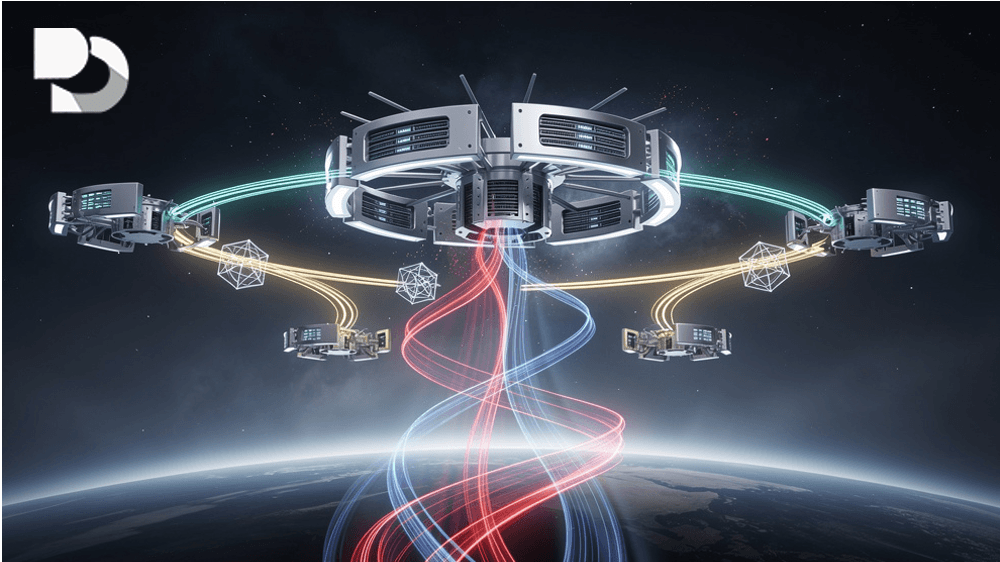
Elon Musk and investor Chamath Palihapitiya used X to talk up space as an alternative. Musk wrote that data centers in space look appealing right now after Republican losses. Both men have backed Republicans and President Donald Trump in recent years, so the shift in tone is notable. Palihapitiya’s research points to a wider space investment case. Private investment in space hardware reached about $17 billion in 2025, up from $500 million in 2012.
SpaceX, which completed its IPO in June, was down around 4% in Wednesday premarket trading. That suggests investors are not simply rotating into space without caution. The idea of space data centers may be early, and the cost and technical hurdles are real. Still, the discussion shows how policy risk in Washington can quickly change where capital looks next.