
 Jack Paul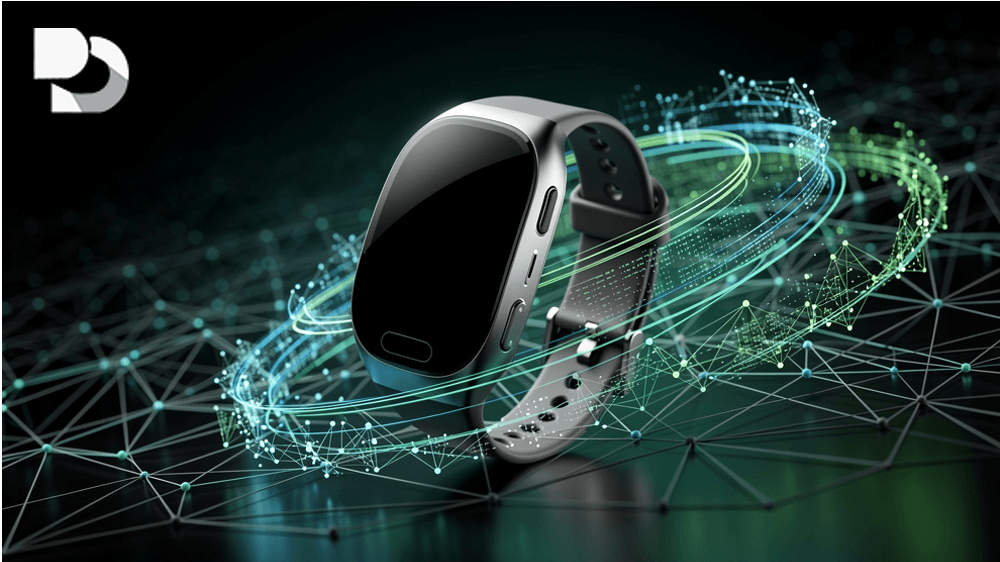
Pulse ends independent operations after capital challenges
Pulse, a company that made health wearables in the DePIN space, has announced it’s shutting down its own operations. The company told its community that it’s moving users to the JStyle app, which is its OEM partner. This basically means Pulse is done as an independent company.
I think this shows how tough the hardware business can be. Pulse wanted to reward people for sharing their health data, but making physical devices costs a lot of money upfront. The company said the capital requirements were “unforgiving” and the investment landscape has changed, with more money going toward AI these days.
What happens to existing users?
If you have a Pulse wearable, you need to do something about it. The company says users have until May 14, 2026, to move their data over to the JStylePro app. If you don’t, your device might stop working properly. Pulse is shutting down its own app and website, so the transition isn’t optional if you want to keep using your device.
It’s interesting they gave such a long timeline—until 2026. That suggests they want to give people plenty of time to make the switch, but also that they’re planning this shutdown carefully.
The DePIN funding problem
DePIN stands for Decentralized Physical Infrastructure Networks. These are projects that use crypto rewards to get people to build and maintain real-world hardware. It could be WiFi routers, sensors, or in Pulse’s case, health wearables.
The thing about DePIN is that software projects can scale pretty easily. You write code once and it can serve millions of users. But hardware? You need to design it, manufacture it, ship it, deal with returns and repairs. That costs serious money upfront—what businesses call “CapEx” or capital expenditure.
Pulse’s situation shows a gap in how DePIN projects get funded. There was a lot of hype around the concept, but when it came to actually putting money into physical infrastructure, investors seemed less interested. Especially compared to AI projects or liquid tokens that can be traded easily.
The AI pivot that didn’t work
Pulse tried to change direction toward artificial intelligence. They wanted to catch what they thought would be market momentum in 2026. But adding AI to a hardware business that was already struggling turned out to be too complicated.
This timing issue is something I’ve seen before in tech. When you’re running out of money, making a big change is really hard. You need runway—enough cash to keep going while you figure things out. Pulse apparently didn’t have that runway.
There’s a pattern in crypto where projects raise money during bull markets but then struggle when the market cools. They build something, but if they can’t make it work as a real business—not just relying on token prices going up—they eventually have to quit.
What this means for the space
Pulse isn’t alone in this. We’re seeing more of these “build and quit” cycles. Companies get funding during hype periods, build something ambitious, but then can’t sustain it when the market changes or when they realize how expensive and difficult hardware really is.
For people interested in DePIN, this is a cautionary tale. The idea of rewarding people for contributing to physical networks is appealing, but the economics are challenging. Making hardware is capital-intensive, and the crypto funding model might not be the best fit for that kind of business.
Maybe there are other ways to approach it. Partnerships with established hardware companies, different funding structures, or focusing on software layers instead of making the hardware yourself. Pulse’s move to transition users to their OEM partner suggests that kind of partnership approach might be more sustainable.
But honestly, I’m not sure what the right answer is. Hardware is hard. Crypto funding can be fickle. Putting them together creates a difficult business to run. Pulse gave it a shot, but in the end, the numbers didn’t work out.