
 Jack Paul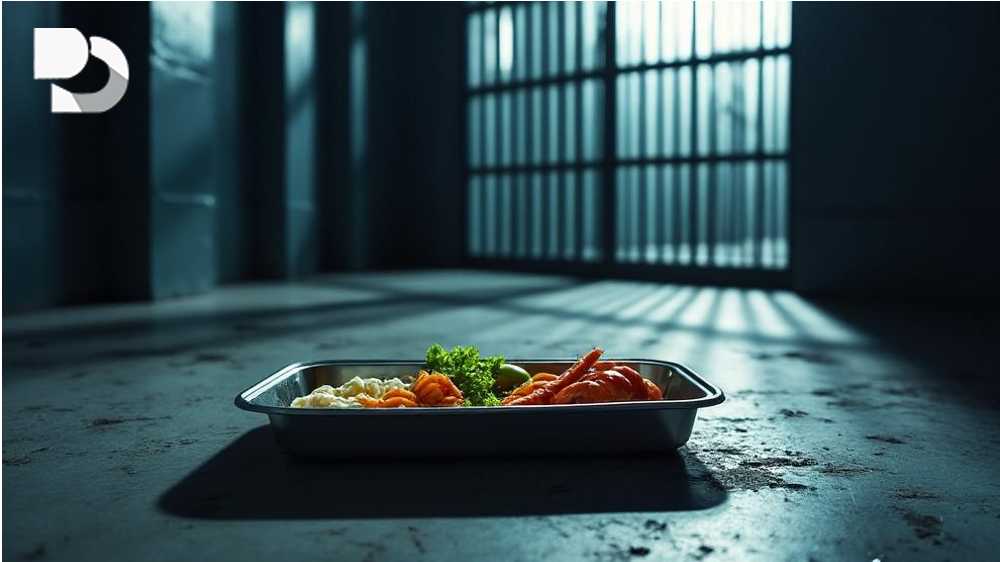
The Daily Rhythm of Prison Meals
I was reading this letter from inside FPC Morgantown, and it struck me how much of prison life revolves around food. The writer, Keonne Rodriguez, explains that he started noticing something interesting when keeping a daily journal. He found himself writing about food constantly—breakfast, lunch, dinner, everything related to meals. At first he thought it was just him, but then he realized it’s actually a common theme among prisoners.
Three times a day, announcements crackle through the speakers: “ATTENTION BATES UNIT: MAINLINE IS NOW OPEN.” That’s prison lingo for meal time. The whole day seems structured around these calls. Breakfast at 6:00 AM, lunch around 10:45, dinner at 4:45 PM. It’s predictable in timing but completely unpredictable in content.
What’s Actually on the Menu
Breakfast varies between what they call “hot breakfast” days and “cold breakfast” days. On hot days, you might get pancakes that are stodgy and undercooked, served with brown liquid packets that are supposed to be margarine and syrup. French toast is apparently decent, while biscuits come with gravy that looks like dirty laundry water. Oatmeal or grits accompany these—both described as tasteless wallpaper paste.
But more often than not, they serve something called “spice cake.” It’s basically cinnamon cake without icing, and they serve it so frequently that prisoners start resenting the taste of cinnamon. Cold breakfast days feature bran flakes so stale they resemble cardboard. Even the ducks and geese on the compound refuse to eat them when prisoners try to share.
Lunch is called around 10:45 AM, which feels more like a late breakfast. Sometimes they serve “breakfast for lunch,” which includes cold scrambled eggs. The menu posted in housing units seems more aspirational than factual. One day might bring “chicken fried rice” that’s actually turkey with vegetables and rice. Other days feature tiny, overcooked hamburger patties on stale, occasionally moldy buns.
Portion Disparities and Social Dynamics
What’s particularly interesting is how portion sizes vary. Rodriguez notes that if the kitchen workers serving that day are Black and you’re Black, you’ll likely get a bigger portion. Same goes for Hispanic workers favoring Hispanic prisoners. He mentions being Hispanic but looking like a “gringo,” so no extra portions for him.
Seasoning is another gamble. Sometimes there’s so much salt you need gallons of water. Other times, it’s as if salt is gold and shouldn’t be wasted on food. Dinner follows similar patterns—you never know what you’ll get, how much, or how it will taste.
Why Food Dominates Prison Conversations
Rodriguez makes a compelling point about why food becomes such a central topic. Prison life is extremely regimented and predictable. You see the same people constantly, run out of things to talk about. You can only discuss legal troubles, prosecutors, and judges so many times.
But the Chow Hall three times a day introduces an unknown variable. It’s something different to discuss each day. Shared disgust at a horrible meal, surprise at something actually tasting good, complaints about breakfast for lunch—these shared experiences maintain social connections. The unpredictability of meals injects variety into an otherwise monotonous existence.
Nutritional Concerns and Alternative Options
The quality of ingredients is apparently quite low. Rodriguez mentions hearing from kitchen staff that boxes arrive labeled “Not For Human Consumption.” Potatoes are moldy, canned vegetables long expired, protein suspicious. Nutritional value seems minimal, and many prisoners develop health problems like high blood pressure and cholesterol after years in the system.
Some prisoners avoid the Chow Hall entirely, opting to buy food from the commissary or cook for themselves. But that presents its own challenges. Commissary food must be shelf-stable, meaning it’s packed with preservatives and salt. Cooking tools are limited to hot water (190 degrees F) and a half-gallon plastic jug.
Rodriguez lists his commissary purchases: chicken breast pouches, minute rice, dried mashed potatoes, suspicious cheese with no expiration date, tuna, mayonnaise that doesn’t need refrigeration, various seasonings, and cereals. He plans to add granola, oatmeal, protein shakes, and tortillas next time.
A Call for Basic Improvements
The letter isn’t just complaining—it’s highlighting systemic issues. Rodriguez notes that most people outside prison don’t think about how basic needs are met for those in custody. He calls for higher quality ingredients, fresh fruits and vegetables, more protein, better cooking options, and access to refrigeration.
He ends by saying he doesn’t write for sympathy, but to inform people about the reality for countless individuals in BOP custody. The letter provides his mailing address for those who want to write back, with guidelines about what can be sent.
It’s a detailed look at an aspect of prison life that most people never consider. The food situation affects health, social dynamics, and daily experience in ways that extend far beyond simple nutrition.