
 Karla Barker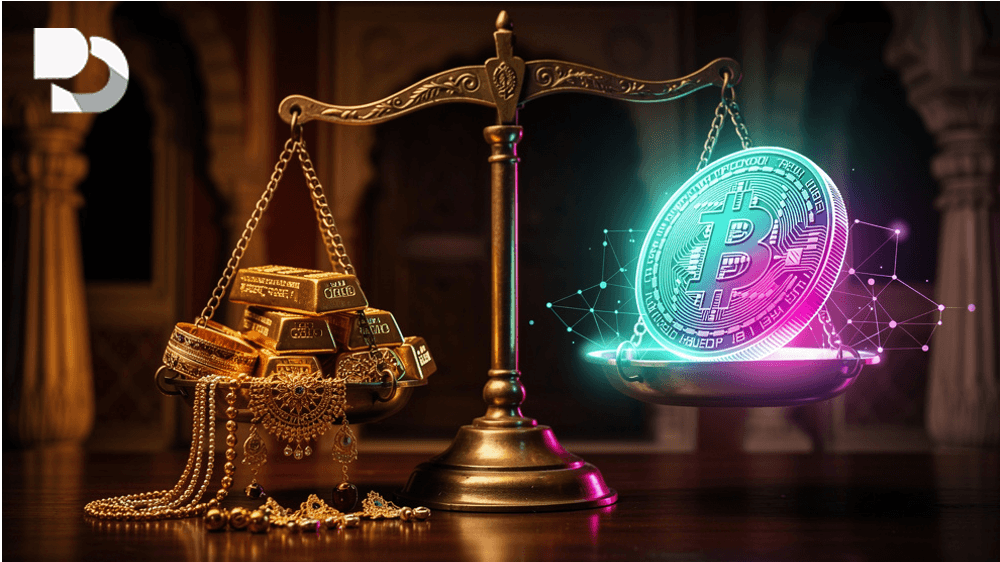
Prime Minister Narendra Modi has asked Indians to buy less gold. He is pushing the Swadeshi campaign, which promotes locally made products and self-reliance. The main goal is to reduce imports, especially at a time of global uncertainty. But the request has opened a different conversation: where will Indian households put their savings if gold becomes less central? Some observers believe Bitcoin and stablecoins could gain attention.
Gold Is More Than Jewellery in India
Gold is not just an ornament in Indian homes. Families buy it for weddings, festivals, and religious events. But the deeper reason is financial. Gold has been a store of value, a hedge against inflation, and a safety net for generations. So asking people to reduce gold purchases is not a small suggestion. It touches a deeply rooted habit. If that habit weakens, investors will look for other ways to preserve wealth.
What Are the Alternatives?
Indian investors already have options like stocks, mutual funds, bonds, and real estate. Crypto is another option, even though its legal status remains unclear. India is already the largest country in the world by crypto adoption, according to some estimates. That suggests many people are willing to take risks with digital assets. But the shift from gold to Bitcoin is not automatic. Gold is less volatile and widely accepted. Bitcoin is volatile, digital, and not accepted for everyday payments in India. For many families, that trade-off is too big.
Stablecoins Create a Different Problem
Stablecoins could be a different story. They are tied to assets like the US dollar, which makes them less unstable than Bitcoin. That stability may appeal to Indian investors who want a hedge without the wild price swings. But here is the contradiction: if the goal of Swadeshi is to reduce reliance on foreign imports, stablecoins tied to the dollar move money toward a foreign currency. That does not fit the self-reliance message.
Regulation Is Still the Main Hurdle
Even if interest in crypto grows, the rules are not ready. India currently taxes crypto gains at 30% and charges 1% TDS on transfers. Digital assets do not have a clear legal framework. There are also many scams and hacks in the crypto space. A sudden rise in adoption without better protection could put more investors at risk.
None of this means Indians will abandon gold overnight. The Prime Minister’s statement may change some habits over time. It might also push more people to explore digital assets. But the path is uncertain, and regulation will decide how far it goes.