
 Shayla Kline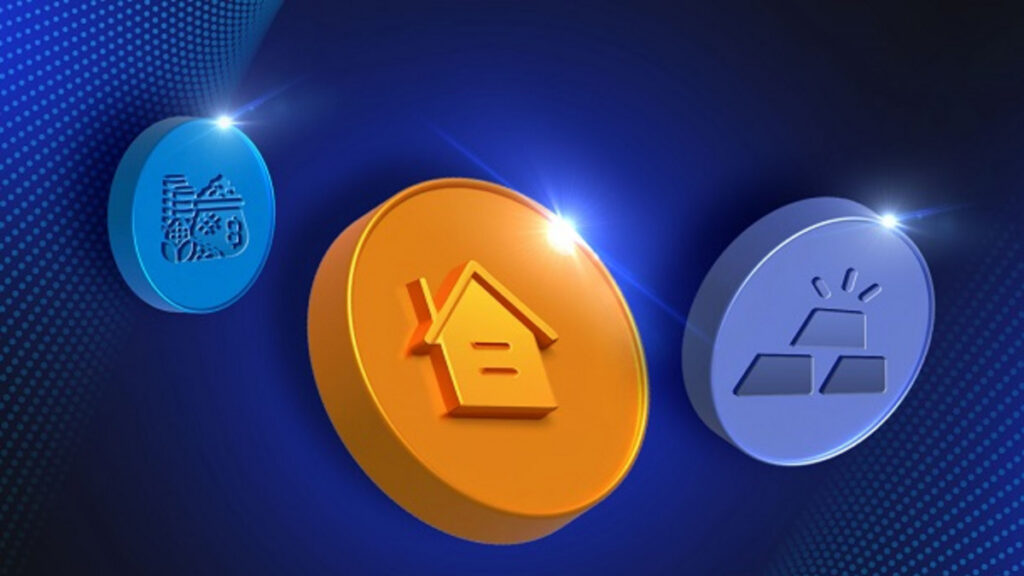
If you’ve spent enough time in crypto trading, you might’ve come across the term “RWA tokens”. Real World Asset tokenization has been bridging the gap between crypto and the assets people already know and trust, like stocks and gold.
By the first quarter of this year, the tokenized RWA market valuation had already climbed to over $19 billion, and tokenized treasuries alone made up $9 billion of that figure.
This post discusses RWA token trading and how a platform like Delta Exchange India fits in.
Key Takeaways
- RWA tokens are blockchain versions of real-world assets.
- Real-world asset tokenization comes with its own set of risks that beginners need to get familiar with.
- Delta Exchange India brings INR support into the mix alongside a solid lineup of RWA products.
- Layering cryptocurrency derivatives trading on top of RWA tokens raises the stakes further, so it’s not always the best starting point if you’re new to this.
What is an RWA Token?
Picture something that exists entirely outside the blockchain – a Treasury bond, a bar of gold, a share of Apple, or an ETF. An RWA token is like a copy (with the same value) that’s minted and tracked on-chain.
Remember that when you buy or sell an RWA token on spot markets, you’re trading the token, not the physical asset sitting behind it. Sure, its price generally moves with the underlying asset, but crypto market swings can nudge things too – which is why the token’s price and the real asset’s value won’t always be perfectly in sync.
Why This Corner of Crypto is Booming
Tokenized stocks are one of the fastest-growing categories in crypto trading right now, and the derivatives built around them are growing just as quickly. According to CoinGecko’s RWA Report 2026, RWA perpetual trading volume crossed $500 billion in Q1 2026 alone – compare that to just $300ish billion across all of 2025.
New products keep landing too. There’s tokenized US equities, indices, and gold are showing up on more exchanges by the day, pushing crypto derivatives trading into fresh territory where people can speculate on traditional assets using purely crypto-native tools.
Of course, growth brings complexity. Liquidity isn’t evenly spread across every RWA category – some corners trade a lot more actively than others. Thin liquidity does lead to slippage, so you may want to check spreads and order-book depth more carefully here than you might with more mainstream crypto assets.
Risks Every Beginner Should Watch For
Before you dive into real-world asset tokenization, keep these points in mind:
- A shaky issuance framework can quietly undermine how safe and well-backed the token really is. Be careful here.
- Which is why – always figure out where, and by whom, the underlying asset is actually held.
- Check whether the token can actually be converted back into the real asset, and how easy that process is.
- Thinner markets typically mean wider spreads, more slippage, and pricing that’s harder to trust.
- Read through the platform’s disclosures on issuance, custody, and redemption terms before deciding anything.
- Owning the token doesn’t automatically mean owning the asset – the rights attached to it can be more limited than you’d expect.
Where Delta Exchange India Comes In
For traders based in India, Delta Exchange India is one of the more accessible ways into this space. It’s registered with India’s FIU and supports INR deposits and withdrawals through UPI, IMPS, NEFT, and RTGS – meaning anyone doing cryptocurrency derivatives trading can pocket their gains straight in INR, without needing to convert through a stablecoin first.
The platform also lists RWA products tied to major US names like AAPL, TSLA, NVDA, AMZN, META, COIN, MSTR, and SNDK, along with index and gold-linked tokens. And the maker/taker fees on these tokenized stock products are refreshingly low – around 2 basis points (0.02%).
What really stands out for newcomers, though, is how upfront Delta Exchange India is about labeling its products – you know exactly what you’re getting into before you trade.
How to Start RWA Token Trading on Delta Exchange India
- Sign up and complete a quick KYC check.
- Deposit INR using UPI or a standard bank transfer.
- Browse through available stocks or commodities.
- Choose between a market or limit order to buy your tokens instantly.
- Sell your positions and withdraw the money straight to your bank account.
Tips for Getting Started the Right Way
- Start small and get a feel for how a specific token moves before scaling up.
- Read the issuer’s documentation – the backing, the redemption process, the underlying asset – before you buy in.
- Remember tokenized gold, treasuries, and stocks each behave differently; the asset drives the value, the token just changes how you access it.
- Pay attention to liquidity, since some categories see far more trading activity than others.
- RWA tokens rely on continued disclosure and support to stay trustworthy. So keep an eye on issuer updates.
Wrapping it Up
RWA tokens like XAUTUSD gold futures, PAXGUSD, etc., have gone from a niche curiosity to an actual major slice of cryptocurrency trading. Having said that, it obviously pays to understand rules and conditions before putting money in.
If you’re trading out of India and want smoother access to cryptocurrency trading with INR, platforms like Delta Exchange India can genuinely simplify onboarding thanks to solid local fiat rails. That said, convenience is never a substitute for doing your own homework on each token you’re considering.
FAQs
What are RWA tokens?
RWA tokens are blockchain versions of real-world assets. These tokens have the same value.
As a beginner, can I try out RWA tokens?
Yes but make sure to understand the underlying asset, the risks involved, and the platform’s rules first.
Can I use Delta Exchange India for exploring RWA tokens safely?
Yes, the platform is FIU-registered and also supports INR.