
 Karla Barker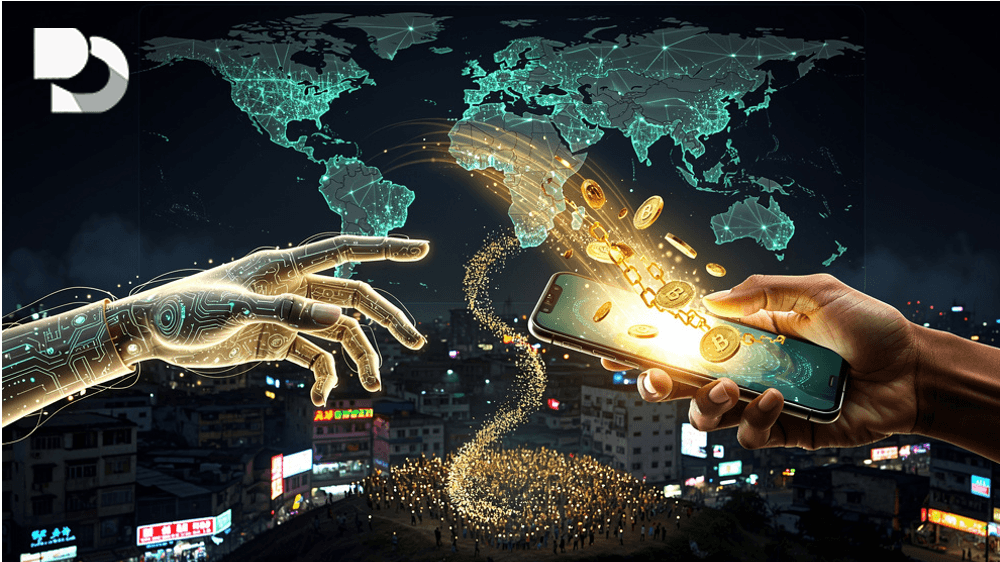
Tether is moving beyond stablecoins. The company has confirmed plans to build AI applications for developing markets. The tools are expected to cover health, finance, and sports. That’s according to a Fortune report with CEO Paolo Ardoino.
The announcement comes with a big number. Tether says its global user base has passed 650 million people. That gives the company a large audience for products that have mostly existed as a side project.
Why Tether is moving into AI
Ardoino described the shift as a natural extension. But it’s more than that. Tether built its name on USDT, the stablecoin used widely in crypto trading. Consumer AI tools are a different line of business. They put Tether in direct competition with companies that rarely touch crypto at all.
The planned apps are not a single product. They span three areas: health, finance, and sports. That mix is broad. Each sector brings its own rules, especially health tools in countries with different oversight standards.
On-device AI for weaker connections
The apps will run on smartphones using lightweight models. They won’t need constant connections to remote servers. That makes sense for places where data is costly or unreliable.
Tether has already built parts of this. The company runs an open-source local AI framework called QVAC. It is distributed through Tether Academy. Developers can run AI models offline on Android and iOS. Tether Academy recently added close to 80 lessons around that framework. So the on-device approach is not new. It’s been a priority for a while.
Lightweight, offline-capable models may be more practical in target regions than the most powerful models available. Users can get functional tools without constant data access. That could matter more than raw sophistication.
Can Tether turn users into app customers?
The user base is real. Most of it was built through stablecoin adoption in places with unstable currencies or limited banking access. That audience could benefit from AI tools in health, finance, and sports. Whether they actually adopt Tether’s apps is a separate question.
There are still missing details. Ardoino did not share a business model or launch timeline. Without either, the announcement reads more like a strategic direction than a concrete rollout. Companies often announce plans well before shipping products. Tether appears to be doing the same.
Hardware compatibility is another concern. Older or budget phones common in some developing markets may not handle on-device AI as well as newer devices. That could limit adoption.
Even so, the logic is clear. Tether has distribution, a large user base, and a framework for offline AI. Whether that is enough depends on details the company hasn’t shared.