
A Stranger Texted. Then she lost $280,000. Now There Are Attorneys Who Want to Help Get It Back.
 Shayla Kline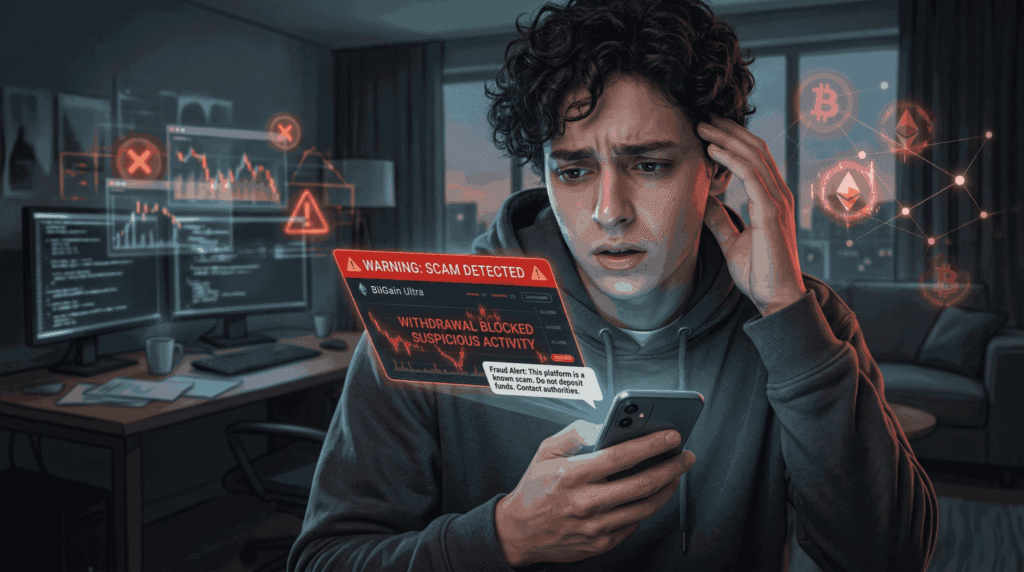
MDF Law a New York fraud firm is connecting victims with a pig butchering attorney at zero upfront cost. Free consultations. No fees unless money comes back.
She thought it was a wrong number.
The first message came on a Tuesday. Something like “Hey, is this Sarah?” She told him no, wrong person. He apologized. But then he kept talking easy, warm, nothing about it that tripped any wire. Within two weeks they were exchanging messages every morning. By month three she trusted him more than she trusted people she’d known for a decade.
Then came the crypto platform. Her balance, on screen, climbed to $410,000. When she tried to pull it out, she was told she owed $61,000 in taxes first. She paid. Then there were compliance fees. Then the account went dark. Then so did he.
She lost $280,000. Thirty years of savings.
This is a pig butchering scam. Right now it is probably the most profitable criminal enterprise most Americans have never heard of and if you or someone close to you has been through something like this, you should know: you may not be as out of options as you’ve been told.
Marc Fitapelli and Jeffrey Saxon, the attorneys at MDF Law in New York, are actively representing victims of these scams. They charge nothing to evaluate a case and they only collect a fee if they recover money for you. That’s the whole deal.
THE SCALE OF IT
In 2023 and these are only the cases actually reported to the FBI, which investigators believe is a fraction of the real number crypto investment scams of this kind cost Americans $3.96 billion. That was up 54% from 2022. The name itself comes from a Chinese term, shā zhū pán, which translates literally to “pig slaughter plate.” The reference is to fattening livestock before the kill. Blunt, but accurate.
Most of these operations are not lone scammers working out of apartments. Federal investigators have traced large networks to compounds in Myanmar, Cambodia, and Laos places where trafficked workers, some of them brought there under false pretenses, are forced to run scam scripts on thousands of potential victims simultaneously. It is industrialized fraud, run with spreadsheets and shift schedules and performance targets.
FINRA published a formal alert in 2022. The FDIC put out a consumer warning. The FBI went before Congress. The scams kept growing anyway because the thing that makes them work, the loneliness and the hope and the desire to connect, doesn’t disappear because there’s a pamphlet warning you about it.
WHAT ACTUALLY HAPPENS
The contact arrives from nowhere. A wrong-number text is the classic opener, but dating apps, LinkedIn, Instagram DMs, and WhatsApp cold messages all get used. The person on the other end is friendly and completely harmless-seeming. Nothing about money comes up for a while. Usually weeks. They build the relationship first and they’re patient about it.
The persona is polished a vague but impressive backstory, a business in Hong Kong or Singapore, an uncle who taught them a cryptocurrency trading method. They send photos. They have a LinkedIn profile. They check in every morning. They remember small things you mentioned in passing two weeks ago. That consistency, it turns out, is not a character trait. It’s a feature of the script.
The investment comes up eventually, casually. Not a pitch more like sharing something personal. They offer to show you the platform. It looks completely legitimate: clean design, live price charts, a customer support chat window, transaction history. Your balance starts climbing. You decide to test it you ask to withdraw a few hundred dollars. It works. The money hits your real account within a day.
That withdrawal, that small successful test, is the most important moment in the whole operation. It’s what gets people to move real money in. After that, the numbers on screen keep growing. Some victims put in $30,000. Some $150,000. Some liquidate retirement accounts. Some take second mortgages because they’re planning to pay the loan back in a month when they access their gains.
The withdrawal never happens. There’s always a new obstacle a tax the platform requires upfront, a verification hold, a security deposit to unlock the balance. The numbers keep climbing. Responses slow. The platform goes offline. The contact you’d been talking to every day for months is just gone.
The money is gone with them.
GONE DOESN’T ALWAYS MEAN WHAT THE BANK TELLS YOU IT MEANS
The honest version of this: not every victim gets their money back. A pig butchering attorney who’s worth talking to will say that before you sign anything. What they can do is look at the case from an angle that most victims haven’t considered and that law enforcement rarely pursues on behalf of individual people.
Here’s the thing about these scams: the fraudster overseas is, yes, probably untouchable. But the victim didn’t wire money into a void. They moved funds through a US bank. They transferred crypto through a regulated exchange. They used payment systems that carry legal obligations — specifically, to monitor for suspicious transaction patterns. Multiple large transfers in a compressed window. Funds flowing to high-risk destinations. Behavior that should, in any functioning compliance system, trigger a review before the transaction clears.
When those systems don’t work the way the law says they should when a bank waves through a series of anomalous wire transfers, when an exchange fails to flag what its own algorithms were built to catch there’s a legal question sitting inside that failure. Who had a duty to stop this? Did they honor that duty? What does liability look like when they didn’t?
Those are the questions Fitapelli and Saxon dig into. Their firm has recovered hundreds of millions across fraud and securities cases not by chasing overseas criminals but by holding US financial institutions to the standards their regulators already require them to meet.
“Every time I sit down with someone who’s been through one of these scams, the first thing I do is map the transaction trail. Which institutions touched this money on the way out? What were they obligated to do at each step? Where are the gaps? That’s where real recovery lives not in trying to locate someone operating out of a compound in Southeast Asia.” — Marc Fitapelli, MDF Law
Saxon, who handles cases from California, says the people who find MDF Law have almost always tried everything else first. “By the time they call us, they’ve already been to the FBI field office, worked through the bank’s fraud department four or five times, emailed the exchange and heard nothing back. They’re exhausted. Our job is to look at what they’ve been told is impossible and decide whether that’s actually true. Sometimes it is. But not always.”
DO YOU HAVE A CASE?
If you’re looking for an attorney to help for pig butchering losses and especially if any of the following fits what happened a free consultation with MDF Law is worth the call:
Someone you met online, through a dating app, social media, WhatsApp, or a wrong-number text, eventually directed you toward a crypto investment platform you’d never heard of.
Your account balance on that platform climbed fast but attempts to withdraw were blocked by taxes, fees, holds, or the platform simply went offline.
You made wire transfers possibly multiple, over several weeks to third-party accounts your contact provided.
You’ve reported it to law enforcement and were told there’s not much that can be done at the individual level.
You’re asking whether your bank or the crypto exchange you used had any legal obligation to catch what was happening.
No minimum loss amount. No geographic restriction. Fitapelli or Saxon reviews each case not a junior associate, not someone running through a checklist.
ON THE FEE QUESTION
If you’re searching for an attorney to recover from a pig butchering scam, the fee structure at MDF Law is the same across all their fraud cases: contingency. Nothing to have the case reviewed. Nothing out of pocket if you move forward and they can’t win a recovery. They only collect if they actually get money back.
This matters beyond just the cost. Contingency creates a built-in filter. The firm takes on cases it believes in because losing a case means absorbing the time and expenses themselves. That’s the other side of the deal that doesn’t always get mentioned: it’s not charity. It’s a business model that only works when the firm wins. Which means they’re highly motivated to take on strong cases and equally motivated to be straight with you when they don’t think one exists.
Reach a pig butchering attorney at MDF Law for free. Call (800) 767-8040 or go to mdf-law.com/pig-butchering. Consultations are available to victims in all fifty states, and there is no obligation to move forward after the call.
ABOUT MDF LAW
MDF Law PLLC is a plaintiff-side litigation firm with offices in New York and California, focused on fraud recovery and investor protection. Founding attorney Marc Fitapelli holds Super Lawyer designation a recognition given to approximately the top 2.5% of the profession and membership in the Million Dollar Advocates Forum, which is limited to attorneys who have secured seven-figure verdicts or settlements. He’s also a Forbes Business Council member. Jeffrey Saxon is licensed in both New York and California and brings a background in complex civil trial work. The two attorneys met at Hofstra Law School and have practiced together for years, collectively recovering hundreds of millions of dollars for clients across the country. MDF Law is BBB-accredited and takes consultations nationwide.